
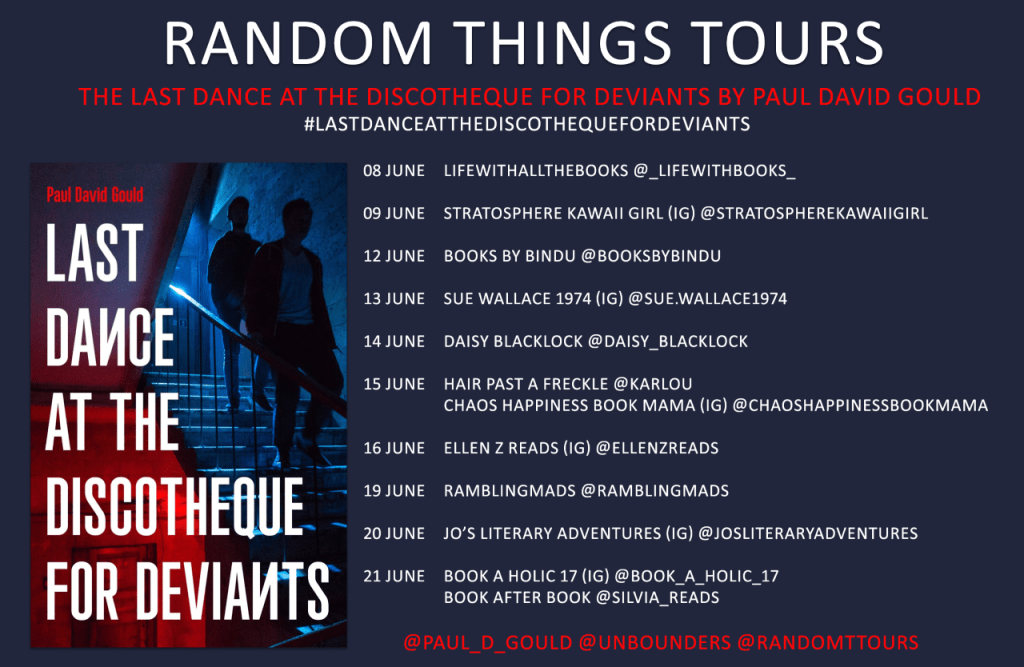
Moscow, 1993. The end of the Cold War and the collapse of the Soviet Union have brought unimaginable change to Russia. With this change come new freedoms: freedom to travel abroad and to befriend Westerners, freedom to make money, and even the freedom for an underground gay scene to take root.
Encouraged by the new climate of openness, twenty-one-year-old Kostya ventures out of the closet and resolves to pursue his dreams: to work in the theatre and to find love as his idol Tchaikovsky never could. Those dreams, however, lead to tragedy – not only for Kostya, but for his mother and for the two young men he loves, as all three face up to the ways they have betrayed him.
‘The venue was the canteen block of the Red Hammer Cement Works. It was the usual set-up: way out of town, secretive directions to get there, and disco lights blazing…’
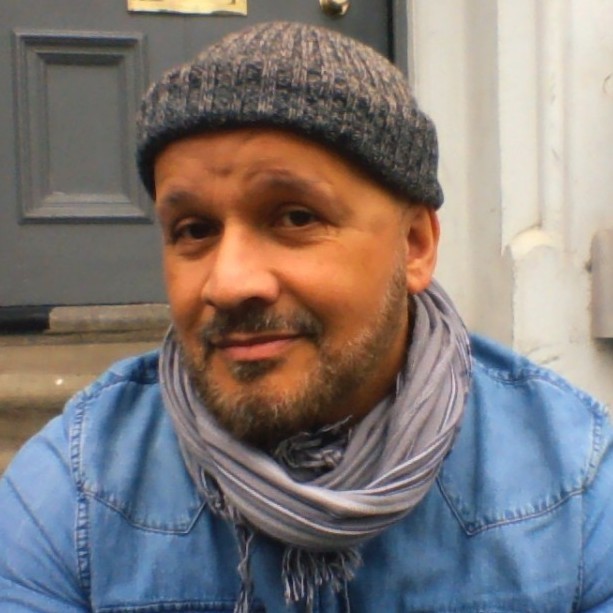
Paul David Gould grew up on a Huddersfield council estate and studied Russian at the University of Birmingham. His experiences of work, life and love in Russia have inspired Last Dance at the Discotheque for Deviants, his first novel. He works as a subeditor at the Financial Times.
Paul worked as a journalist in Russia in the early nineties, and his experiences from that time have informed his debut novel, while he still occasionally writes about Russia for the Financial Times.
Last Dance At The Discotheque For Deviants is one of the first titles in Unbound’s new imprint: Unbound Firsts -for debut writers of colour. Gould said:
‘I’m not only thrilled to be getting published by Unbound Firsts, I’m also honoured to be one of this new imprint’s inaugural writers at a time when we so need to champion diversity. My novel is set in Russia in the 1990s, a more hopeful time for peace and friendly relations with the West, I’m horrified to see those hopes trampled on by Putin’s unprovoked and brutal war against Ukraine.’

My thoughts: take a trip back to Russia in 1993, the age of glasnost, of the fall of the Soviet Union. There’s a McDonald’s in Moscow and a sense of openness, of freedom in the air.
But not for everyone – homosexuality is illegal and the only club night around is secret and moves venues to avoid both the police and the gangs of violent homophobes out to beat gay men up. Kostya is a young man from a small town, working for a US organisation, he speaks English and is intelligent and hard working. His friendship with Jamie, a British journalist, means he’s been to the West and sees through the old Soviet lies his mother clings to.
Jamie is investigating Kostya’s death – the tiny announcement of it, that he died of “natural causes” in an unnamed hospital outside of the city is suspicious. As he, and Kostya’s boyfriend Dima, begin to dig, they uncover a terrible thing that was done to their friend and a web of US investment that allowed it to happen. Even Kostya’s mother, Tamara, comes to understand that she was wrong to question his sexuality, wrong to push him to be “normal”.
This book is terribly sad in places, Kostya is so lost and heart sore. I wanted to reach into the pages and give him a hug, tell him it would get better. Although Russia is stilla terrible place to be gay, as we all saw highlighted by the Sochi Winter Olympics, there are people fighting to change things and government policy doesn’t always go with the will and beliefs of the people.
I’ve been to Russia, and met Russians, many of whom were lovely and open, friendly people. I know that the changes the early 90s brought, the promises that decade held, haven’t all been achieved but, as with the end of this book, there is hope out there.
Beautifully written, and supplied by the author’s own experiences, although hopefully not as dark as some of Dima and Jamie’s, this is an intelligent and thought provoking thriller, with real heart and strong characters that draw you into their hard scrabble lives.
*I was kindly gifted a copy of this book in exchange for taking part in the blog tour but all opinions remain my own.








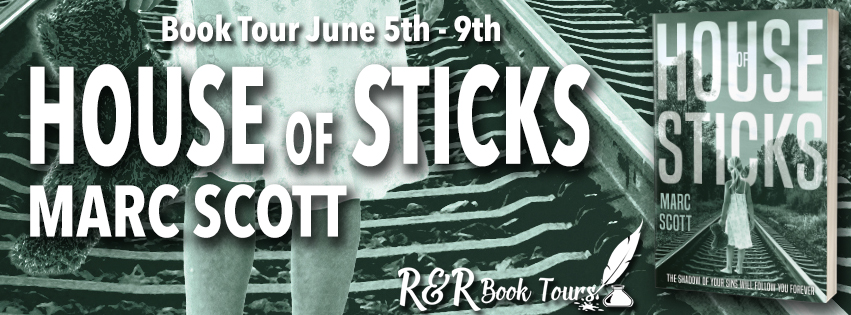


 Marc Scott was born and raised in the heart of the East End of London. He spent more than 25 years working in the video and film industry, including a 12-month spell on a project in Los Angeles. More recently he has been involved with assisting at the rehabilitation section of the UK court service, working predominantly with young offenders. It was here where he met the people that would inspire him to write his first novel House of Straw.He is unapologetic for the dark backdrop and raw brutality in his books. ‘You can’t sugar-coat some of these damaged individuals that live in a broken society and make excuses for them.’ he says. ‘Not everyone wants the chance to redeem themselves.’His gritty writing style has earned him much praise from reviewers and bloggers. The second book in his trilogy, House of Sticks, will be available later this year. A story that Marc describes as, ‘An even darker and more twisted journey into the depths of depravity.’Marc lives in Halstead in England. He has a son and two daughters, who, he says, have given him the proudest moments in his life. He lists his favourite author as Kazuo Ishiguro, and his favourite book as ‘Birdy’ by William Wharton. He sums up his reading choices with a method which he applies to his own works. ‘When I read a book, I want to feel like a bystander, watching on, as an ‘extra’ as everything unfolds. If any of the characters in the book are bland and don’t affect you in some way, the author has wasted an opportunity.’
 ramblingmads