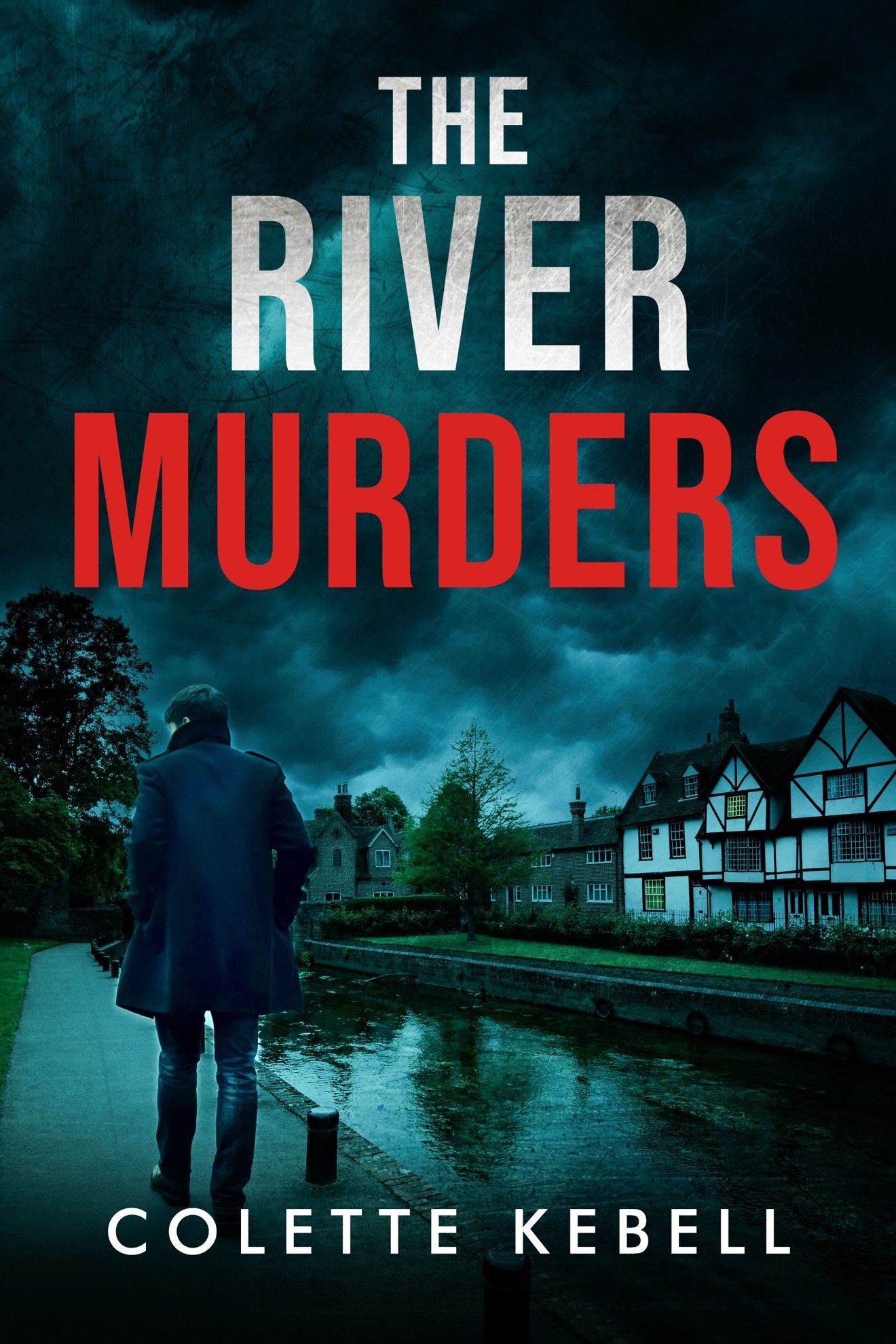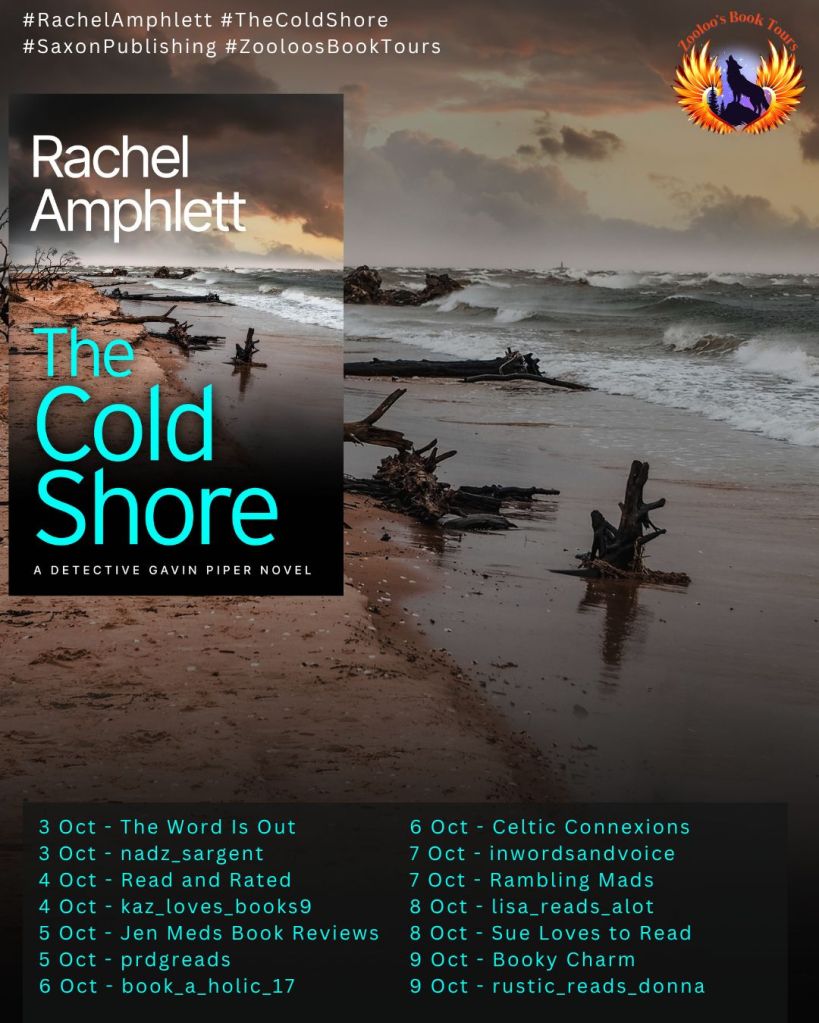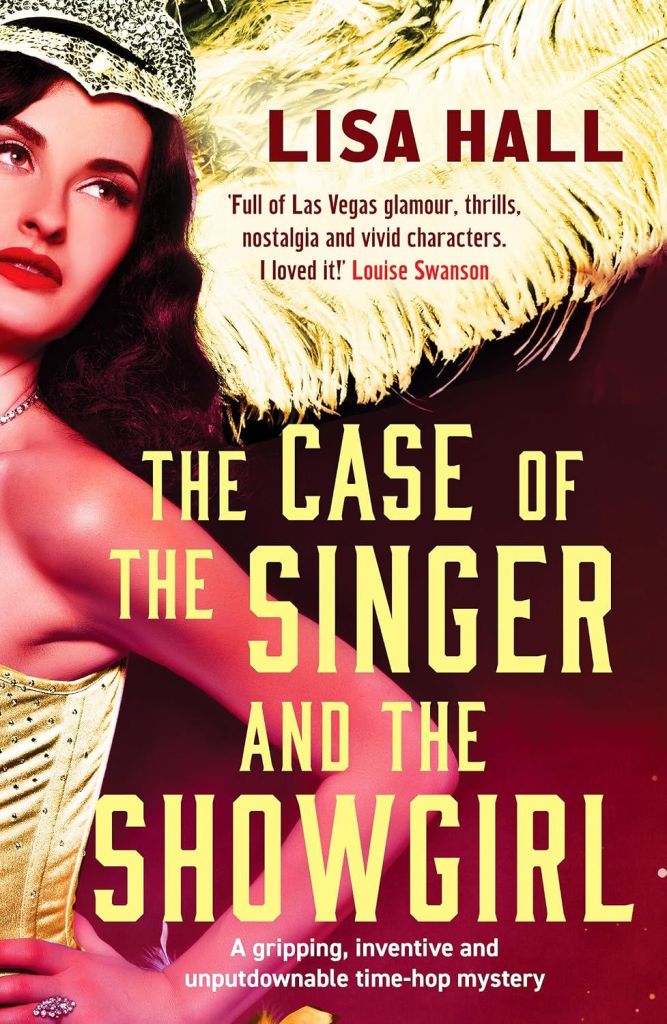
Every place has its ghosts. Edenscar, a town in the Peak District, has more than most.
17 years ago, its inhabitants were hit by tragedy when a school bus veered off the road and everyone on board drowned.
Everyone, that is, except Joseph Ashe. His miraculous survival has haunted him and the town ever since. Now a Detective Sergeant in the local police, Joe is called to the scene of a brutal and apparently inexplicable crime.
The whole town is spooked, but Joe’s new boss, DI Laurie Bower, more used to inner-city police work, has no time for superstition. She just wants to find the very real killer who has left no trace and apparently had no motive.
Joining forces, Joe and Laurie work to uncover the secrets of Edenscar, both past and present. But when you dig up the dead, expect to get your hands dirty…
Sarah Hilary is the critically-acclaimed author of nine novels. Her debut, Someone Else’s Skin, won the Theakston Crime Novel of the Year 2015 and was also a World Book Night selection, a Richard & Judy Book Club pick and a finalist for both the Silver Falchion and Macavity Awards in the US.
No Other Darkness, the second in her DI Marnie Rome series, was shortlisted for a Barry Award. Sarah is Programme Director for St Hilda’s Crime Fiction Weekend, and cofounder of Ledburied, a crime fiction festival in her home town. Her short stories have won the Fish Criminally Short Histories Prize, the Cheshire Prize for Literature, and the SENSE Prize.
My thoughts: Joe survived the devastating accident that killed his classmates and now everyone in town looks at him differently. It doesn’t help that he once admitted he sees the ghosts of his classmates, especially his best friend.
It’s exhausting for him, being the focus of so much pain and loss, but he never left. And now he’s a detective working with a new DI on a horrific new case that’s bringing his awful experience back to the forefront of the community’s minds.
Can he and Laurie solve the case, and keep the town from falling apart again as Joe becomes the focus of another tragedy?
An intelligent and intriguing case, starting what should be an interesting new series from a writer who understands how to get a reader hooked.
*I was kindly gifted a copy of this book in exchange for taking part in the blog tour, but all opinions remain my own.
S.F. Baumgartner crafts fast-paced Christian suspense thrillers, weaving tales of complex characters, secretive operatives, and relentless agents.
Her gripping storytelling has earned acclaim, with Living Secrets and Forgotten Secret—Books 1 & 2 of her Mirror Estate series—named Top Picks in the thriller & suspense categories, respectively, at Killer Nashville, and Tangled Secrets—Book 3 of Mirror Estate series—won couple of awards in the Christian Indie Awards and the Incipere Awards.
When she’s not plotting her next twist, she’s binge-watching crime TV shows, like NCIS or playing with her cats.
Fans of James Patterson’s style, especially those who appreciate short, punchy chapters, will find much to love in her work.
My thoughts: I came to this having not read the previous books in the series, and while it was fine, it might be worth reading them first to get all the back story and fully understand who all the characters are and how they’re connected.
Jamie Beth was adopted aged five, after her foster parents were murdered, and with her dad being an FBI agent, she should be safe. Then her best friend is mistakenly abducted, the two girls look alike.
Having received messages from the kidnapper, she sets off to rescue her friend, without telling anyone. Thankfully her dad and his friends are a little more savvy than she realises and are soon hot on her heels.
Who is hunting for Jamie Beth and is it connected to her murdered foster parents? And how is it all connected to several master criminals the team Charlie works with are tracking?
There’s a lot going on, but it all seems connected and as the team connect the dots, and work to keep Jamie Beth safe, secrets come to the surface and the some things fall into place for the team’s investigation.
I’m hoping to go back to the beginning to fill out the details for the investigation and the team members, as I was very intrigued by it all.
*I was kindly gifted a copy of this book in exchange for taking part in the blog tour, but all opinions remain my own.
Icelandic detective-in-training Sigurdís is studying criminal psychology in the US, but her plans are thrown into disarray when she discovers that her boss and mentor, Garðar, has been put on leave from Reykjavík CID over his investigation into Sigurdís’s father’s death.
Returning to Iceland to deal with the fallout, Sigurdís finds herself pulled into a disturbing case: controversial TV personality Olga Einarsdóttir has been stabbed to death during the Reykjavík Marathon.
Struggling to locate a runner wearing bib number 1407, who was seen near the murdered woman during the race, the police soon discover that several masked runners were wearing the same number.
As the mystery deepens, Sigurdís and her fellow detective Unnar soon learn exactly how unpopular Olga was – not just with the interviewees she humiliated on live TV, but with her own son, her business partner, a widower who insists that she had a hand in his wife’s death, and her ex-husband, who died in suspicious circumstances thirty years ago…
As her exploration into Olga’s past becomes ever darker and more harrowing, Sigurdís must also face the truth about her own father, while searching for an attacker who will go to any lengths to cover up their crimes…
Katrín Júlíusdóttir has a political background and was a member of the Icelandic parliament from 2003 until 2016. Before she was elected to parliament, Katrín was an advisor and project manager at a tech company and a senior buyer and CEO in the retail sector. She worked from a young age in the fishing industry, was a store clerk and also worked the night shift at a pizza restaurant. She studied anthropology and has an MBA from Reykjavík University.
Katrín’s debut novel Dead Sweet received the Blackbird Award and was an Icelandic bestseller upon publication, with right sold in 15 countries. She is married to critically acclaimed author Bjarni M. Bjarnason, who encouraged her to start writing. They have four boys and live in Garðabær.
My thoughts: This was a cracking case, the murdered victim Olga, has a complicated and messy past, plenty of enemies, but someone hated her enough to plan and carry out a complicated scheme to kill her.
Called back to assist after her mentor is suspended, Sigurdís puts all her training to use in digging into Olga’s life and trying to find out which of the many people she’d hurt wanted her dead and was willing to risk doing it in such a public place.
Clever and full of twists, as the team also attempt to help their boss escape his suspension, Sigurdís is positive he didn’t mess up the investigation into her father’s death, as are her family. She also makes decisions about whether or not to move back to Iceland for good.
Which bodes well for another installment in this excellent series.
*I was kindly gifted a copy of this book in exchange for taking part in the blog tour, but all opinions remain my own.
A man lies beaten to a pulp in a deserted car park in Maidstone, Kent.
His own brother put him there.
Josh Winters never saw it coming. He trusted his brother Alex. He always has.
Detective Abigail Morton is embedded in a fractured source-handling unit on the Kent coast. She’s working a dangerous informant operation against the Winters’ criminal gang. Everyone says the brothers are untouchable.
But something is shifting inside the organisation. A crack running through its foundations – and Abigail is close enough to feel it.
Getting close enough to use it is another matter.
But now she has a way in. Josh and Alex’s mother, Betsy, is willing to turn on her own sons . . .
Charlie Gallagher was a serving UK police officer for thirteen years. During that time he had many roles — starting as a front-line response officer, he became a member of a specialist tactical team and finally a detective investigating serious offences. Charlie left to concentrate on writing full time.
My thoughts: When Betsy, mother of the Winter brothers contacts the police, willing to give them information on her sons’ criminal activities, the police are pleased. She’s able to overhear all sorts of things as her boys hold meetings in her kitchen.
Her handler Abigail is careful, aware that while Betsy seems determined to put her sons’ away, she’s protective of her grandson Max, who might be more involved in her father and uncle’s business than his grandmother is willing to believe.
While Betsy’s information does help a little, the police need more to go on to follow up and as the end of the year approaches, Abigail and her partner Vince have found a few things out that might put a crimp in Betsy’s plan and that of her sons’.
There’s some great twists in this story about a family failing apart as they become embroiled in crime and the police’s attempts to stop them.
*I was kindly gifted a copy of this book in exchange for taking part in this blog tour, but all opinions remain my own.
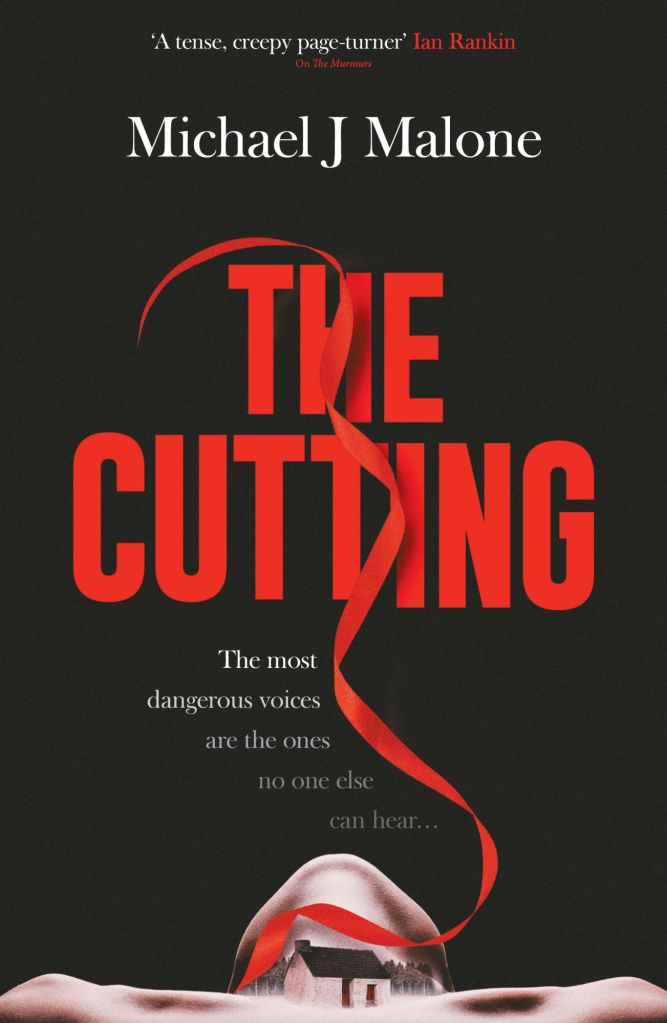
In this stark and fearless memoir, Neil Griffiths investigates the emotional inheritance passed down through silence and grief, and the lifelong consequences of being the child who should not have existed.
In 1963, a young husband loses his pregnant wife and eighteen-month-old son in a car accident. Six months later, he meets a woman who abandons her own husband and child for him — a man who seems to her everything she has ever wanted. Within two years, a boy is born into this family of grief and guilt: into a house already filled with ghosts, where neither parent can see him clearly through what each has lost. His mother demands perfection. His father, meanwhile, decides early on that this child exists only because the first one died — and cannot forgive him for it.
Moulded by his mother, rejected by his father, he is given no space in which to become himself. Throughout his life, no matter how much he tries to invent himself, he is driven by the fear that nothing real exists underneath. Fifty years on, after his parents’ deaths, that fear begins to unmoor him. He turns to the work of psychoanalysts who were pioneers of early childhood psychology around the time he was born. Drawing on the insights of D.W. Winnicott and Jacques Lacan, The Wrong Son traces a life shaped not only by loss and violence, but by psychic damage that may never fully be shaken off.
With forensic clarity and unexpected humour, The Wrong Son is a quietly devastating work: deeply human, psychologically attuned, and unafraid to stay with what cannot be resolved.
Neil Griffiths is a novelist, publisher and founder of the literary prize, The Republic of Consciousness Prize for Small Presses, now the Queen Mary Small Press Fiction Prize. His first novel, Betrayal in Naples was winner of the Authors’ Club Best First Novel Award, Saving Caravaggio was short-listed for the Costa Best Novel Award 2007, his last novel is the critically acclaimed As a God Might Be.
My thoughts: All the way through this memoir I wanted to give Neil a hug. He seems so lonely at times, even when surrounded by people.
His parents’ relationship is quite strange and his father remote and unpleasant. Having lost his first wife and young son in a car accident where he was driving, he is full of grief and probably some guilt. He’s a police officer, good looking and women are attracted to him. But his habit of pursuing married women, as with the woman who becomes Neil’s mother, is unhealthy.
Neil’s mother abandons her first marriage, and crucially her young daughter, for his father. Neil is the result of this, as is his younger sister. His mother worships his father but also seems afraid of him.
Raised in this awful environment, ruled over by a tyrant whose mood dictates how everyone behaves, is a terrible time for artistic and gentle Neil, who compares himself constantly to Michael, his father’s dead son, who by forever being at one age and deceased is of course a paragon. Whereas Neil must grow up and change.
Neil as an adult has clearly done a lot of research into psychology and refers to some of the big names, he’s fully aware of the damage his childhood did, and how he’s responded to it. But he has also learnt over time to manage it, to reduce the impact so he can have a life, a career and a family of his own.
Our parents cast long shadows over us, Philip Larkin was definitely right about that (This Be The Verse) and our childhood selves are never completely gone in adulthood. I hope for Neil that writing this was cathartic and healing.
*I was kindly gifted a copy of this book in exchange for taking part in this blog tour, but all opinions remain my own.

In 1986, with Chernobyl smouldering on the news and the Cold War casting a deep shadow, Scott becomes convinced that nuclear conflict is inevitable. Sensitive, watchful, and haunted by personal grief, he immerses himself in post-apocalyptic stories and survival games, drawn to the clarity they offer when the future feels out of control.
Jodie is brilliant, abrasive, damaged. Fiercely determined to keep the world at arm’s length, she wears loneliness like armour, trusting her solitude to protect her.
Drawn together by their fears, Jodie and Scott form an uneasy, wary alliance. But as time passes, their shared vision of cataclysm becomes increasingly seductive.
The Glass Field is an intimate, quietly unsettling novel about what we cling to when the world feels close to breaking.
My thoughts: I was born in 1986 so I can’t really imagine how the Chernobyl explosion impacted on people in the UK, far enough away from the fall out zone but close enough for deadly dust to drift over. I asked my mum and she said that for some it wasn’t really a big deal, plenty of other things to worry about but there were those who did think the world was close to nuclear annihilation.
Scott and Jodie fall into this second group. Two young teenagers, with mostly absent parents, left alone with the news, Scott’s Judge Dread comics and knowing some older young people in CND and similar groups. They also live close to an army base and Jodie’s dad works on a top secret missile building project, that she both knows too much about and not enough.
They’re lonely and the long summer stretches ahead of them. Scott quits his summer job and they begin to prepare for nuclear fallout and the horrors Scott’s comics warn them of. Finding an abandoned WWII bunker, they buy what they think they will need for the coming amageddon.
It’s a sad story in many ways, they find joy in their friendship yes, but their parents are too busy, too wrapped up in their own lives to notice their children and both are only children so no siblings to question what they’re up to either. Neither have many other friends, Scott’s best friend moved away, Jodie is the weird kid.
But it was also a really good read, the relationship between Scott and Jodie, their hobbies and interests before they became so focused on the end of the world, the dinner party Scott throws, these are all delights within the darkness.
Scott is still grieving his mother, his father has become so lost in his pain, he can’t be there for his son. Jodie’s mother worries about her but in an overbearing way that Jodie pushes against, her dad is always at work. Neither fit in with the other local teens, and their sense of isolation feeds their paranoia.
I found this book fascinating and compelling, a portrait of outsiders who hopefully grew up to find things aren’t always as bleak as they feel at times.
*I was kindly gifted a copy of this book in exchange for taking part in this blog tour, but all opinions remain my own.
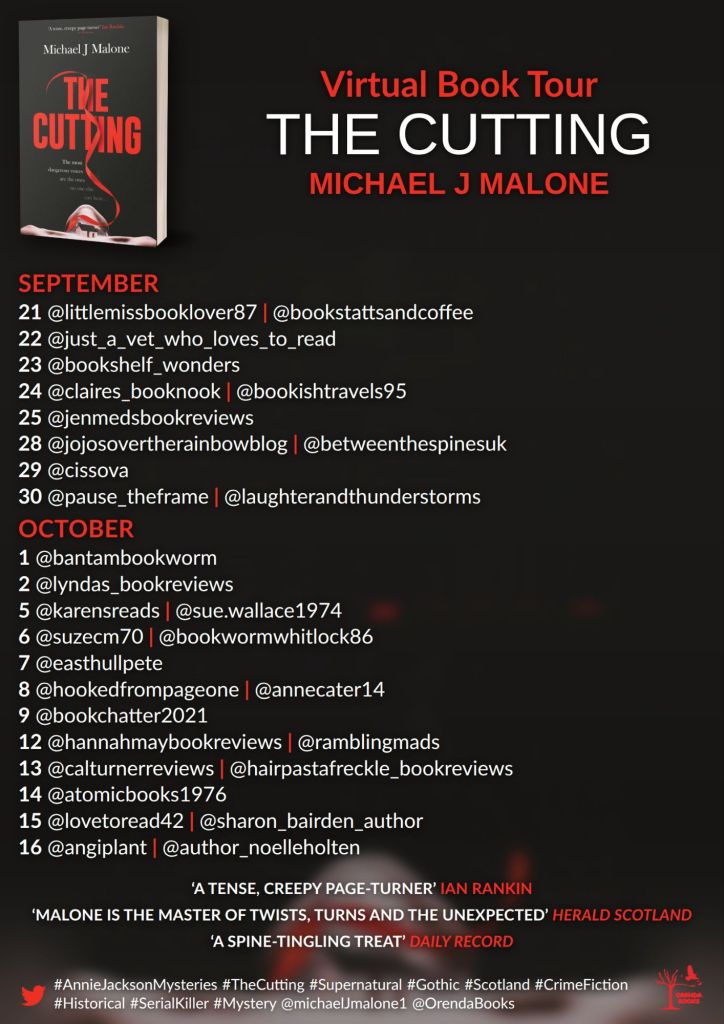
What I want to say is that suicide is my choice. No-one else is to blame. Man seeks beautiful woman for the journey of a lifetime: Will you help me to die?
When Probation Officer Cate Austin is given her new assignment, she faces the highest-profile case of her career. Alice Mariani is charged with assisted suicide and Cate must recommend a sentence.
Alice insists her story is one of misinterpreted love, forcing those around her to analyse their own lives. Who is to decide what is normal and when does loyalty turn to obsession?
Investigating the loophole that lies between murder and euthanasia, Cate must now meet the woman who agreed to comply with her lover’s final request. Shocking revelations expose bitter truths that can no longer be ignored.
My thoughts: Ruth Dugdall does not pull her punches. Each book in this series covers serious themes and issues but without giving away her opinions.
This time it’s assisted suicide – a very contentious issue that a lot of people struggle with. But Ruth gives it the crime thriller treatment so Cate and the other characters don’t have to wrestle too much with their conscience, otherwise it might be too much.
Alice is a university lecturer in poetry, her preferred poet is Keats, who famously died very young of TB. She loves the beauty of his verses, but interacts with them without truly understanding the humanity in them.
When Cate is assigned to her, Alice is on bail pending sentencing over the death of her partner, a man she claims asked her to help him die. But as Cate investigates, interviewing Alice and other people around her, including the court appointed psychiatrist, other information emerges, facts that will alter everything, facts that show Alice’s version to be riddled with lies and reveal a very different woman.
I was a bit taken aback at some of the detail of the case, some of the things Alice had done, and how very willing she was to manipulate the system to get her own way, even when she was “winning”.
It’s a very clever, twisted case, one that Cate will have to work at to be the smarter player, as Alice is convinced she’s more intelligent than everyone around her and happily says so, trying to force Cate into a role she isn’t happy to fill. Gripping.
*I was kindly gifted a copy of this book in exchange for taking part in this blog tour, but all opinions remain my own.
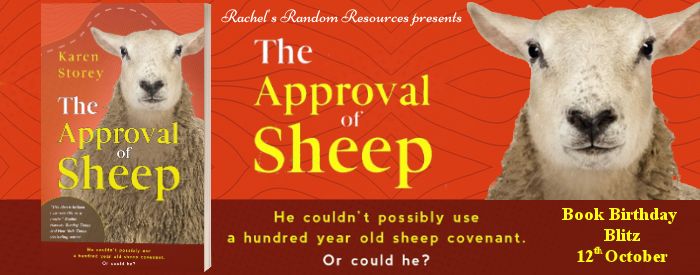
Morecambe Bay, Lancashire: After his father’s death, a son clears out his parents’ house. When he finds a series of haunting photographs of Morecambe Bay, taken by his father towards the end of his life, it sparks a journey through the scattered memories and broken connections of five generations of family history.
Flowing from the vibrant post-war Jewish community of London’s east end, to the quiet suburban streets of Stanmore, and back to the Lancashire coast, the story cascades down through each generation’s shifting perspective. A wife appeases her charismatic yet destructive husband; a son reimagines the jigsaw of his mother’s life; a granddaughter tries to heal the traumas of the past.
What Fools We Have Been is an exploration of memory, identity, and the trail of damage left in the wake of wartime trauma. It asks: What is it that makes us who we are? Is it possible to repair the wreckage of the past?
Hank Williams started his career as a stage director in the mid ’70s. He then worked as a community artist and community development worker before becoming a management development consultant. For the past fifteen years he has worked in the Higher Education sector, mentoring senior leaders in UK universities as well as leading change programmes in Afghanistan and Bangladesh. He retired in 2026.
Hank wrote a screenplay in the 80s that won a commendation in a Sunday Times/BFI national competition. He has published three books relating to management development. His first novel – WHAT FOOLS WE HAVE BEEN – was published by Chiselbury Press in March 2026, just before his 70th birthday. Hank lives on the edge of Morecambe Bay. He has two step-sons and three granddaughters.
LinkedIn @chiselbury. Main platforms used are Instagram, X, Threads and Facebook.
My thoughts: I really liked this history of a family, connected through photographs, told backwards, from the East End to North London’s Stanmore and up to Morecombe Bay, rolling back the generations to the end of the Second World War and the deep wounds it left in at least two generations.
The characters are fascinating, I especially liked the women, mostly Ruth, whose life provides the main narrative. Having lost her mother during the war, while she was evacuated out to the countryside, she stays close to her beloved father, Morris, and her uncles in the East End.
Eventually she marries Charlie and they move, as many Jewish families have done, to North West London. I actually live in Stanmore, which is much more lively these days than it was then, with a diverse community. I don’t think Ruth would be as lonely now as she is in the book. And perhaps things would have been different.
It’s her son, David, whose house in Morecombe Bay is where this both begins and ends. He has compiled a book of photos he’s taken, with his daily thoughts jotted below. His son Simon adds pictures of their ancestors – his grandparents, aunt, father, to the book and shares it with his own children.
Inspired, his daughter builds a family tree, and goes looking for the missing story – that of her great-aunt. The only person left who can tell her about the people she comes from. If she is to be the bearer of her family’s stories, she needs to fill in the gaps.
Moving and deftly written, this is a gentle and bittersweet story about family, the messy relationships we have with our nearest and dearest, and the healing that comes in the form of new generations who have none of the weight of those troubled times on their shoulders.
*I was kindly gifted a copy of this book in exchange for taking part in this blog tour, but all opinions remain my own.
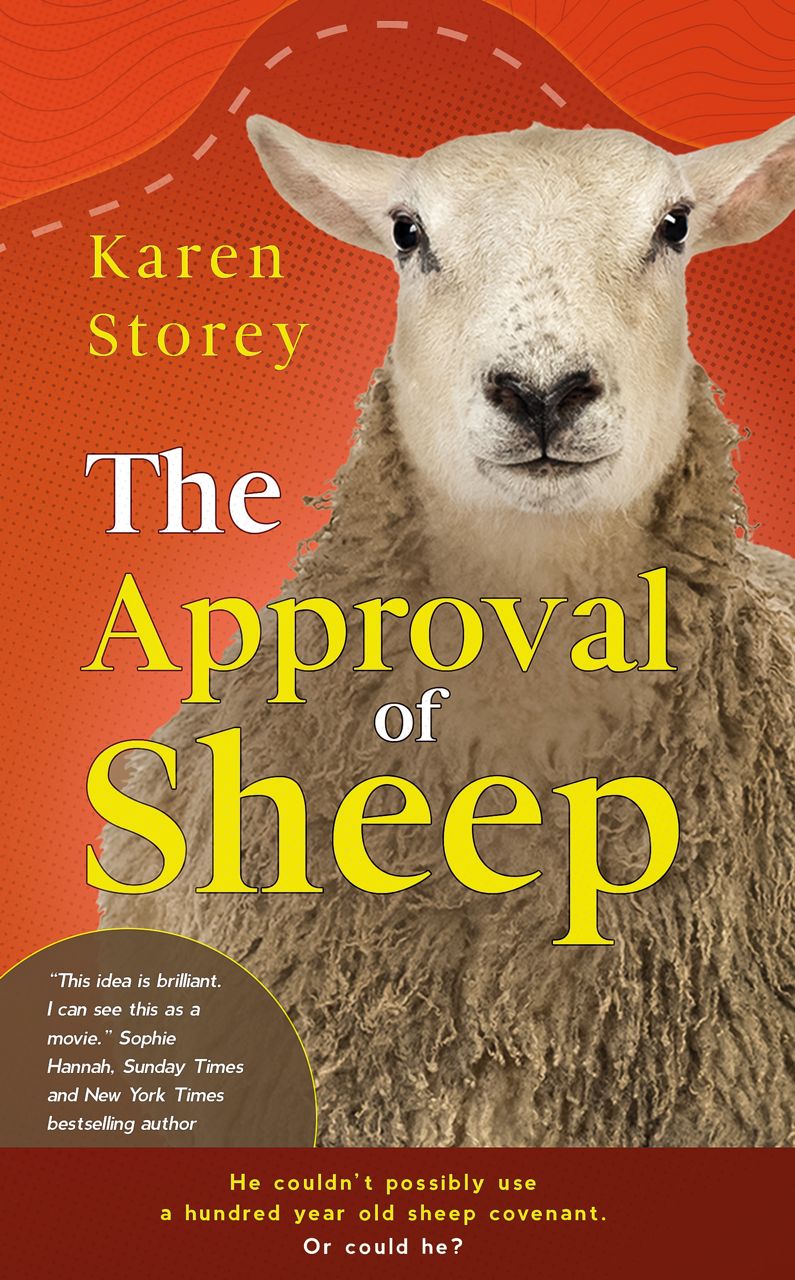
I only survived high school because of my best friend Mia. Me and her, together against the world. No matter what.
The moment I graduated, I left town forever — and erased the girl I used to be. New name. New body. New life. Even my own mom wouldn’t recognize me now. But two years later I’m back in Devil’s Paradise — the place I swore I’d never return to.
Because Mia is missing.
Her last letter says she was being watched. Followed. Hunted.
So here I am. Mia needs me. Me and her — we’ve always saved each other. But no one can know my real name isn’t Charlie, it’s Reagan. That I used to be one of them. Because if they find out who I really am, it’s not just Mia’s life on the line . . . it’s mine too.
Kaelin Wennerberg was born and raised in a small town in Montana, US. Since a very young age she has dreamed of becoming an author and writing for a living. It took her four years to write her debut novel, “The Jameson Cabin”. When not writing she enjoys spending time with her fiancé, friends and family or reading any horror/thriller novel that she can find.
My thoughts: What starts out as a true crime/thriller style story takes a more horrific twist as Charlie discovers the truth behind the disappearance not only of her own best friend, Mia, but a series of young women going back decades.
Having escaped her home town for college and total reinvention, the last thing she wants is to go back, but the letters she receives from Mia, letters written over the months they’ve been apart, and then the sudden disappearance of her friend, mean she feels she must return.
But getting too close to the mayor and his inner circle, to the dark and rotten secrets at the heart of the town, put her in danger.
And then there’s Jaymes, Mia’s high school boyfriend and Charlie’s forever crush. He wants to help find Mia, and maybe some answers about his twin sister’s disappearance too. She vanished not long after graduation and he’s never really recovered. Could this be a way to get closure or will the truth destroy the fragile friendship he and Charlie build?
There’s a lot going on, so many secrets and some sheer craziness too as Charlie tries to find her way to the truth, even as she attempts to keep her own secrets close. But it’s really enjoyable and I liked Charlie, even if she isn’t who she appears to be.
*I was kindly gifted a copy of this book in exchange for taking part in this blog tour, but all opinions remain my own.
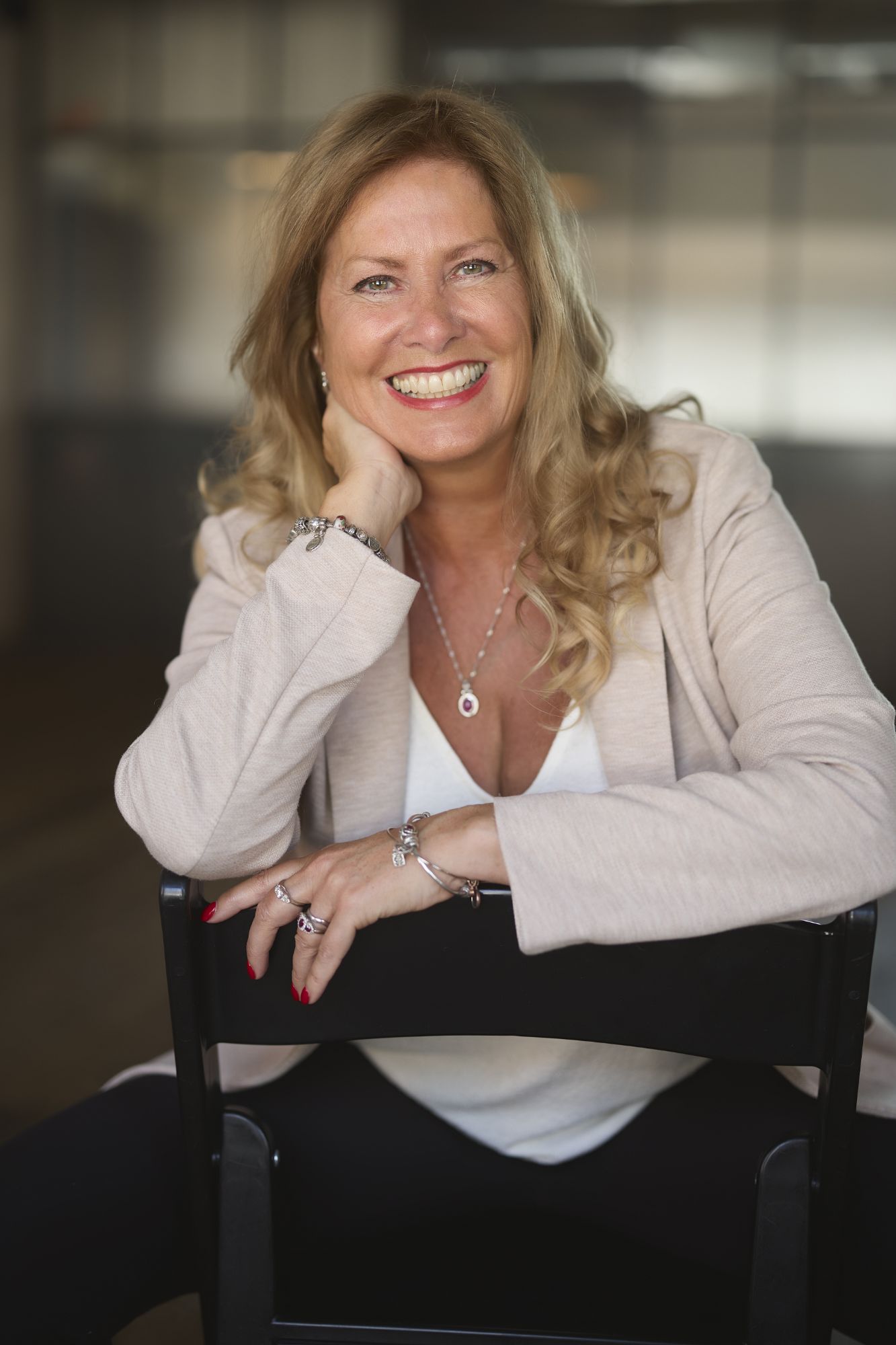
Ingrid and her daughter Susan return to the Western Highlands of Scotland, staying at Strathbairn with Gertrude McCleod while their new home, a cottage by the loch, is redecorated. The very same day, the ghosts of Ingrid’s past return when Gertrude’s brother Miles arrives with his new bride and his friend Timothy.
When her former beau turned betrayer Hamish starts work on a barn conversion, Ingrid is desperate to leave Strathbairn. She rushes to move into the cottage only to find she is sharing her new home with a violent ghost.
Realising the haunting is somehow connected to Strathbairn and sensing that something at Willows Cottage must be returned, she makes every effort to discover what that it is.
While Hamish and Gertrude conspire to force Ingrid into marriage, Timothy becomes a regular caller with a romantic motive. With two suitors and two marriage proposals, who will she choose – and can she solve the haunting of Willows Cottage?
A gripping conclusion to a classic gothic mystery trilogy laced with dark family secrets.
Isobel Blackthorn is an award-winning author of immersive and inspiring fiction. She has penned over twenty-five books including a number of bestsellers. She majors in strong female leads and empowerment narratives.
Among her credits, Isobel’s biographical short story ‘Nothing to Declare’, which forms the first chapter of her biographical novel Emma’s Tapestry, was shortlisted for the Ada Cambridge Prose Prize 2019. One of her Canary Islands novels, A Prison in the Sun, was shortlisted in the LGBTQ category of the Readers’ Favorite Book Awards 2020 and the International Book Awards 2021. The Cabin Sessions was nominated for the Bram Stoker Award 2018 and the Ditmar Awards 2018. And The Unlikely Occultist: A biographical novel of Alice A. Bailey received an Honorable Mention in the 2021 Reader’s Favorite Book Awards.
Blackthorn is the author of the world’s only biography of Theosophist and mother of the New Age movement Alice Bailey – Alice A. Bailey: Life & Legacy.
Isobel has a background in Western Esotericism. She holds 1st Class Honours in Social Studies, and a PhD from the University of Western Sydney for her ground-breaking research on the works of Alice A. Bailey. Her doctoral thesis has been downloaded over 13,000 times.
Isobel’s first work, which she wrote in 2008, is Voltaire’s Garden. This memoir is set in the mid 2000s and tells the story of building a sustainable lifestyle B&B in Cobargo on the south coast of New South Wales, Australia, which gained international attention when a firestorm razed the idyllic historic village on New Year’s Eve 2019.
Isobel’s writing has appeared in journals and websites around the world, including Esoteric Quarterly, New Dawn Magazine, Paranoia, Mused Literary Review, Trip Fiction, Backhand Stories, Fictive Dream and On Line Opinion. Isobel was a judge for the Australasian Shadow Awards 2020 long fiction category. Her book reviews have appeared in New Dawn Magazine, Esoteric Quarterly, Shiny New Books, Sisters in Crime, Australian Women Writers, Trip Fiction and Newtown Review of Books.
Isobel’s interests are many and varied. She has a long-standing association with the Canary Islands, having lived in Lanzarote in the late 1980s. A humanitarian and campaigner for social justice, in 1999 Isobel founded the internationally acclaimed Ghana Link, uniting two high schools, one a relatively privileged state school located in the heart of England, the other a materially impoverished school in a remote part of the Upper Volta region of Ghana, West Africa. After working as a teacher, market trader and PA to a literary agent, she arrived at writing in her forties, and her stories are as diverse and intriguing as her life has been.
Isobel has performed her literary works at events in a range of settings and given workshops in creative writing.
British by birth, Isobel entered this world in Farnborough, Kent, UK. She has lived in England, Australia, Spain and the Canary Islands. She now lives and writes in Spain. She is currently at work on two novels composed in Spanish.
My thoughts: Despite her experiences at Strathbairn previously, Ingrid returns there, hoping to soon be able to move into the cottage she inherited with her daughter Susan, and build a life in this quiet place.
Unfortunately it isn’t that easy, there’s a lot of work needing doing before the cottage is liveable and while the assistance of two kind and generous neighbours helps, she has to remain at Strathbairn, now a guesthouse, until it’s ready.
She finds it almost unbearable, more so when first Miles, and then Hamish, appear, neither of them men she wishes to have anything to do with. Miles’ friend Timothy, she at first is pleased to see, but she finds his behaviour confusing and as she learns more about him, she becomes less keen.
Daughter Susan continues her attachment to the cook at Strathbairn, refusing to do as her mother wishes and move to Willows Cottage. For some reason I thought of her as very young, but she is eleven, although she acts like she’s about six. Ingrid has struggled with her since her husband died, but with the help of her excellent new neighbour she might finally win her child over.
Finally there is the problem of a violent and aggressive presence in the cottage – hoping she’s left ghosts behind in Strathbairn, Ingrid finds one in her new home. What do they want and why are they so angry? A trip to Skye with Timothy gives her a potential clue, can Ingrid alleviate the ghost’s rage by repairing an old wrong?
Ingrid has dealt with unpleasant men and ghostly violence in every volume of this trilogy, and it’s often all because of the same people – the awful McCleod family, both living and dead. I don’t really know why she’s so keen to live near them, I’d sell the cottage and land and stay far away, it might be easier, but I suppose she’s made of sterner stuff.
There’s pleasing conclusions to some of Ingrid’s troubles, and a gruesome end to one unpleasant character too, as Ingrid attempts to build her new life and finally makes friends with some actual nice people, it looks like she might just achieve it.
*I was kindly gifted a copy of this book in exchange for taking part in this blog tour, but all opinions remain my own.